Hydration & Everyday Lifestyle
Steady water balance shapes how you eat, move, and feel — often in ways you have not connected yet.

Steady water balance shapes how you eat, move, and feel — often in ways you have not connected yet.
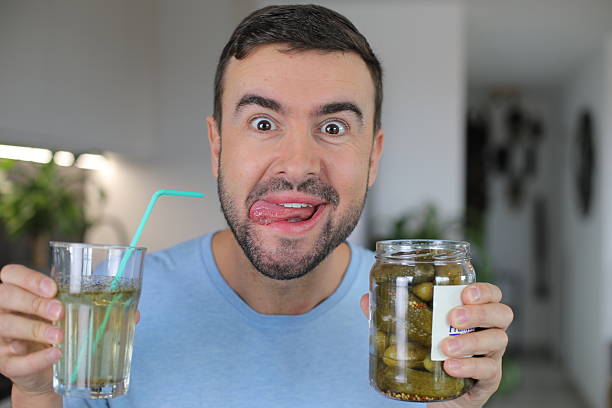
It is three-fifteen in the afternoon. You are not particularly hungry — lunch was satisfying — yet you find yourself standing in front of the refrigerator looking for something, anything, to eat. You grab crackers or a granola bar, eat it quickly, and feel unsatisfied ten minutes later. If this pattern sounds familiar, dehydration may be the hidden driver.
The hypothalamus processes both hunger and thirst signals, and they can be surprisingly easy to confuse. Studies in appetite research have found that a significant portion of self-reported "hunger" episodes resolve after drinking water rather than eating food. This is especially common during mid-afternoon when fluid intake typically bottoms out and blood sugar begins its natural post-lunch decline. The combination feels like hunger, but the root cause is often thirst layered on top of a normal circadian rhythm.
Before changing what you eat, try changing what you drink when cravings appear. This simple protocol helps you separate genuine hunger from masked thirst.
We share general wellness education — not diet plans, calorie programs, or weight-loss services. Individual eating patterns vary, and we do not promise changes in weight, appetite, or body composition.
Some nutrition research explores whether drinking water before meals affects how much people eat in controlled settings. Combined with mineral-aware meals, a steady fluid routine may help some individuals eat more mindfully. Our sessions focus on awareness habits — what you choose to eat remains your decision with your healthcare team.
The simplest path to more mindful eating often starts with a glass of water and ten minutes of patience — not a new diet plan.
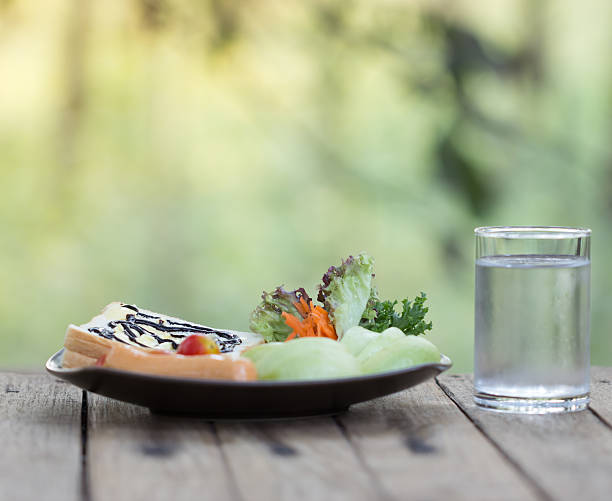
Interactive session teaching the water-first protocol with live craving-tracking exercises.
Half-day event combining hydration education with gentle yoga and breathing practices.
Learn to design a workspace hydration system that prevents afternoon snacking triggers.
True hunger builds gradually, is felt in the stomach, and persists after drinking water. Thirst-driven cravings appear suddenly, often with dry mouth, headache, or fatigue, and typically fade within ten minutes of hydration. The water-first protocol helps you learn your personal signals over time.
Some people snack less after addressing fluid routines, but results differ. This is not a weight-management program. For nutrition or body-weight concerns, consult a registered dietitian or physician.
Plain still water is most effective for distinguishing thirst from hunger because it has no flavor cues that might mimic food satisfaction. Sparkling water works in a pinch, but we recommend still water for the initial ten-minute test.